

Most homeowners tackling move cleaning make the same mistake: they treat it like a regular weekend tidy-up, just stretched over more rooms. They start wiping counters, loading trash bags, and maybe mopping a few floors, assuming that will be enough to pass a landlord’s inspection or impress potential buyers. Then the walk-through happens, and suddenly every baseboard, cabinet interior, and streaky window becomes a negotiation point. The truth is, move cleaning is not about surface neatness; it’s about detail, sequence, and strategy.
Another common misstep is trying to clean while the home is still full of boxes and furniture. In Plano, TX, where moving timelines can be tight and overlapping, people often pack, move, and clean all in the same 24–48 hours. That almost guarantees missed spots, rushed work, and a lot of frustration. Effective move cleaning techniques focus on working in an empty or nearly empty space, following a clear top-to-bottom, room-by-room plan. Companies like Clean Tu Casa build their entire process around this approach because it dramatically reduces stress and increases the chances of getting deposits back or securing a quick, top-dollar sale.
If you’re a homeowner preparing for a move, thinking like a professional cleaner will change the entire experience. Instead of randomly wiping what you see, you’ll follow an intentional order: declutter, dry-dust, deep-clean, then polish and inspect. You’ll know which tools matter, how to attack the toughest areas (like ovens and bathrooms), and when to call in reinforcements. With the right techniques, your move-out clean becomes less of a dreaded chore and more of a systematic project you can actually control.
Plan Before You Touch A Sponge
Effective move cleaning starts long before you pull out the cleaning products. The first technique is planning your sequence and timeline. Walk through your home and make a list of every space that needs attention: closets, pantry, garage, inside cabinets, behind appliances, and so on. Then, assign days or time blocks to each zone. In Plano, TX, where many leases end on the last day of the month, overlapping schedules are common, so mapping out what you’ll do each day can be the difference between a calm move and a frantic all-nighter.
Next, decide what will be cleaned before the movers come and what will be cleaned after the home is empty. As a rule, you can pre-clean closets, high shelves, and rarely used rooms while you’re still living there. Save floors, kitchen appliances, and bathrooms for after the big furniture and boxes are out. This prevents you from cleaning the same area twice and keeps you from walking dirt back over freshly cleaned surfaces.
Gathering the right supplies is another often-overlooked planning step. Professionals like Clean Tu Casa rely on a small but powerful toolkit: microfiber cloths, a good vacuum with attachments, a scrub brush set, a mop system, and a few targeted cleaners (degreaser, glass cleaner, bathroom disinfectant, and a gentle all-purpose solution). Having everything staged in a central “cleaning station” means you’re not wasting time hunting for rags or running to the store mid-job. The more organized you are upfront, the more efficient every cleaning action will be.
Finally, set realistic expectations based on the size and condition of your home. A three-bedroom house that hasn’t been deeply cleaned in a year is not a two-hour project. Give yourself more time than you think you need, and consider building in a buffer day in case something takes longer, like dealing with a heavily used oven or badly stained shower. When Plano homeowners underestimate the effort, they’re more likely to cut corners, and that’s exactly what landlords and buyers notice.
Clean Top To Bottom, Room By Room
One of the core techniques of effective move cleaning is always working from top to bottom, and from the farthest room toward the exit. This isn’t just a nice idea; it’s a practical way to prevent rework. Dust and debris fall downward when you wipe ceiling fans, shelves, and blinds. If you mop the floor first and then dust the blinds, you’ll have to mop again. Professional cleaners in Plano, TX stick to this rule religiously because it saves significant time.
Start each room with high surfaces: ceiling fans, light fixtures, and the tops of door frames. Use a microfiber duster or a vacuum attachment to remove cobwebs and dust. Then move to window sills, blinds, and trim. By the time you reach counters and cabinets, most of the loose dust has already fallen and can be wiped away in one go. This systematic approach also helps you spot things you’d otherwise miss, like a dusty air vent or a forgotten nail hole in the wall that needs patching.
As you work room by room, close the loop before you move on. That means finishing all surfaces, glass, and floors in that space before walking out. Don’t start three rooms at once; that’s how half-done cleaning happens. In a move-out situation, it’s better to have one room completely finished and ready for inspection than several partially cleaned spaces. When Clean Tu Casa teams clean homes for moves, they often designate one person to “final check” each room, ensuring door handles, light switches, and baseboards are all addressed before they consider it done.
Always work your way toward the front door or garage exit. This ensures that the last thing you clean is the main traffic path that movers and inspectors will use. Vacuum and mop that route last, after all boxes and people are out. That way, the final impression people get when they step inside is of a clean, fresh path rather than scuffed floors and tracked-in dust.
Kitchen Deep-Clean Strategies That Actually Work
The kitchen is often the most time-consuming part of a move clean, and it’s where most inspections become picky. Effective techniques focus on hidden grime, not just visible crumbs. Start with cabinets and drawers: empty them completely, vacuum out crumbs and debris, then wipe with a gentle cleaner. Pay special attention to the cabinet under the sink, which often hides leaks, stains, and cleaning product residue. Landlords and buyers in Plano frequently check this area first because it reveals how well the home has been maintained.
For appliances, move beyond surface-level wiping. Remove refrigerator shelves and drawers and wash them in warm, soapy water. Clean the fridge interior from top to bottom, then wipe the exterior, including handles and door seals. If the fridge is staying, pull it out (if it’s safe and manageable) and clean the floor and wall behind it. Dust, food bits, and even small toys often accumulate back there, and leaving that mess behind is a sure way to lose points during an inspection.
The oven and stovetop need a dedicated strategy. Instead of endlessly scrubbing burned-on grease, use a targeted oven cleaner or a baking soda paste, applied and left to sit according to instructions. While it works, clean the stovetop grates, knobs, and control panel. Don’t forget range hood filters; many can be soaked in hot, soapy water to remove grease. In move-out cleanings done by Clean Tu Casa, a sparkling oven and range hood are often what make the kitchen feel “professionally” cleaned rather than hastily wiped.
Finish with counters, backsplash, and sink. Degrease the backsplash, especially behind the stove, where splatters build up over time. Scrub the sink basin, faucet, and drain area, and remove any mineral deposits with an appropriate cleaner if your Plano home has hard water stains. Finally, sweep and mop the kitchen floor, paying attention to edges and corners where crumbs tend to collect. A kitchen that smells neutral and looks meticulously cleaned sends a strong message that the rest of the home has been cared for too.
Bathrooms: High-Impact Detail Work
Bathrooms can make or break a move-out inspection because they show wear and hygiene more clearly than other rooms. Effective bathroom cleaning techniques start with product choice and dwell time. Use a bathroom cleaner that tackles soap scum, hard water, and mildew, and let it sit on surfaces like tubs, tiles, and glass before you start scrubbing. The cleaner needs time to break down buildup; otherwise, you’ll waste energy scrubbing without much progress.
Focus on the shower and tub first. Spray walls, doors, and fixtures, then work from top to bottom with a non-scratch scrubber. Pay close attention to grout lines, corners, and around faucet handles, where grime and mildew tend to hide. If your Plano home has glass shower doors with water spots, a vinegar-based solution or a specific hard water remover can make a dramatic difference. Rinse thoroughly and then squeegee or wipe dry to prevent streaks.
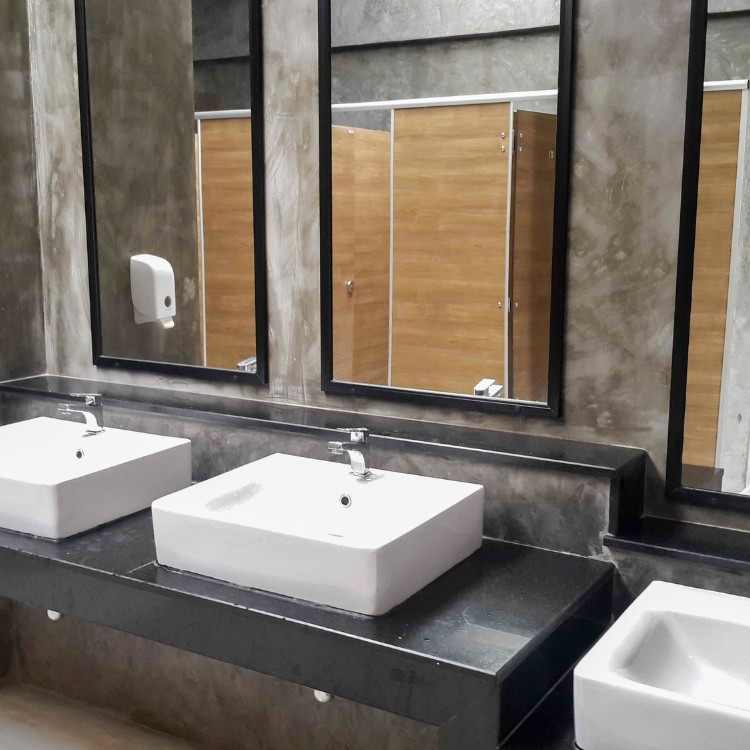
Next, tackle the toilet, vanity, and sink. Professionals always clean the toilet last within the bathroom to avoid cross-contamination. Start with the mirror and light fixtures, then wipe the vanity top, faucet, and cabinet fronts. Clear out drawers and cabinets, remove hair and debris, and wipe them clean. When you get to the toilet, use a disinfecting cleaner inside the bowl and on the exterior, including the base and behind the seat hinges. This is an area inspectors and new homeowners check closely, so thoroughness matters.
Finish with floors, baseboards, and ventilation vents. Hair and dust collect along the edges of bathroom floors, so vacuum or sweep carefully before mopping. Wipe baseboards and door frames, and don’t forget to dust or vacuum the exhaust fan cover; a clean fan not only looks better but also works more efficiently. When Clean Tu Casa teams service move-out bathrooms, they often do a final “shine pass” by polishing faucets and handles so they reflect light and make the space feel freshly sanitized.
Floors, Walls, And The “Forgotten Zones”
Floors and walls are large, visible surfaces that shape the overall impression of cleanliness. Effective move cleaning means going beyond a quick vacuum and patching obvious nail holes. Start with walls: look for scuffs, fingerprints, and small marks, especially around light switches, doorways, and hallways. A damp microfiber cloth or a gentle wall cleaner can remove many of these without damaging paint. Patch small nail holes with spackle, then lightly smooth them; even if you can’t repaint, filling holes shows good faith and often satisfies landlords.
For hard surface floors, vacuum thoroughly before mopping, including edges and under baseboard overhangs where dust accumulates. Use the right cleaner for your floor type—tile, vinyl, laminate, or hardwood—and avoid soaking floors that are sensitive to moisture. Work in sections, backing your way toward the exit so you don’t walk on freshly mopped areas. In Plano homes, where dust from construction or outdoor activity can be an issue, a two-step process (vacuum, then damp mop) makes a noticeable difference.
Carpets need more than a quick run with a vacuum. Move cleaning techniques often include spot-treating stains with an appropriate carpet cleaner, then vacuuming slowly in overlapping passes. Focus on traffic lanes, entryways, and under where furniture sat, as dust lines and indentations can be very visible. If the carpet is heavily soiled or stained, consider a professional steam clean; companies like Clean Tu Casa can coordinate or recommend this service as part of a full move-out package.
Don’t overlook the “forgotten zones” that inspectors love to check: behind doors, inside closets, on top of door frames, and around air vents. Wipe closet shelves and rods, vacuum closet floors, and dust vent covers. Clean switch plates and door handles throughout the home. These small touches collectively create the feeling of a thoroughly cleaned space and reduce the chance of any last-minute complaints during the final walk-through.
When To Call In The Pros
Even with the best techniques, there are times when bringing in a professional team is the most effective move cleaning strategy. If you’re juggling work, kids, and a tight moving schedule in Plano, TX, the time and energy required to do a meticulous clean may simply not be realistic. Professional cleaners like Clean Tu Casa come with both the tools and a proven system, allowing them to complete in hours what might take you several exhausting days.
One smart approach is to blend DIY and professional help. You can handle basic decluttering, packing, and some light cleaning in advance, then schedule a professional move-out clean for the final polish once the home is empty. This hybrid method keeps costs down while ensuring that high-impact areas—kitchen, bathrooms, floors—look their best. For many homeowners, the peace of mind of knowing the cleaning will be done thoroughly and on schedule is worth the investment.
Another reason to consider pros is when your home needs more than routine cleaning, such as addressing pet odors, heavy buildup in showers, or long-neglected ovens. A professional team has access to commercial-grade products and techniques, including services like Deep Cleaning, that go far beyond standard store-bought solutions. They can also spot potential issues, like mold or water damage, that you might miss while focused on surface tasks.
Ultimately, effective move cleaning is about outcomes: getting deposits back, satisfying buyers, and leaving a space you’re proud to hand over. Whether you do it yourself or partner with a Plano-based service like Clean Tu Casa, using a structured, top-to-bottom, detail-oriented approach will make the move-out process smoother and far less stressful.
Frequently Asked Questions
How far in advance should I start my move-out cleaning? Ideally, begin light prep 2–3 weeks before your move date. Start with decluttering, cleaning out closets, and wiping high shelves you rarely use. About a week out, focus on less-used rooms and storage areas. Reserve the final 1–2 days after furniture and boxes are moved for deep-cleaning kitchens, bathrooms, and floors. In Plano, TX, where end-of-month moves are common, this staggered schedule helps avoid last-minute rushes and sleepless nights.
What areas do landlords and buyers check most closely? Landlords and buyers pay particular attention to kitchens and bathrooms, especially inside appliances, around toilets, in showers, and under sinks. They also notice baseboards, window sills, and the cleanliness of floors and carpets. Inside cabinets, drawers, and closets are often inspected to ensure nothing is left behind and that surfaces are wiped clean. Door handles, light switches, and the overall smell of the home also play a big role in their impression of cleanliness.
Is it better to clean before or after the movers come? The most effective technique is to do some preliminary cleaning before the movers arrive—such as high dusting, closets, and seldom-used areas—then perform a thorough deep clean after the home is empty. Cleaning around furniture and boxes almost always leads to missed spots and extra work. Once the movers are done, you can clean floors, appliances, and bathrooms without obstacles and avoid tracking dirt onto freshly cleaned surfaces.
Can I realistically do a full move-out clean by myself? It depends on the size and condition of your home, as well as your schedule and energy. A small apartment in reasonably good shape can often be handled by one person over a couple of focused days. A larger home, or one that hasn’t had a deep clean in a while, can be overwhelming to tackle alone. Many Plano homeowners choose to do some of the work themselves—like packing, decluttering, and light cleaning—and then hire a company such as Clean Tu Casa to complete the detailed move-out cleaning.
What should I do on the final walk-through after cleaning? Before turning in keys, do a slow, deliberate walk-through as if you were the landlord or buyer. Check inside all cabinets and drawers, open every closet, and look behind doors. Turn on all lights to spot streaks on mirrors or missed dust. Walk the perimeter of each room to check baseboards and corners, and look at floors for debris or streaks. Finally, sniff for any lingering odors from trash, pets, or cooking. A five- to ten-minute final inspection can catch small issues and protect your deposit or sale.