
Women & Hispanic Owned
Serving Atlanta since 2017
Licensed Bonded & Insured
Covered for your peace of mind
Free Estimates
No-cost quotes, zero obligation.


Trained and Friendly Staff
Contact us now at (404) 382-0470 or fill out our online form to Book Now in Metro Atlanta, GA!
TRUSTED, TRAINED AND RELIABLE PROFESSIONALS






Home Cleaning
Free Your Time
Cleaning services from experts you can trust. One-time services or weekly, 2-week or 4-week services.
AirBnB Laundry Hacks
Inspring Home Office Ideas

Free Oven + Fridge Clean
Accepting New Customers!
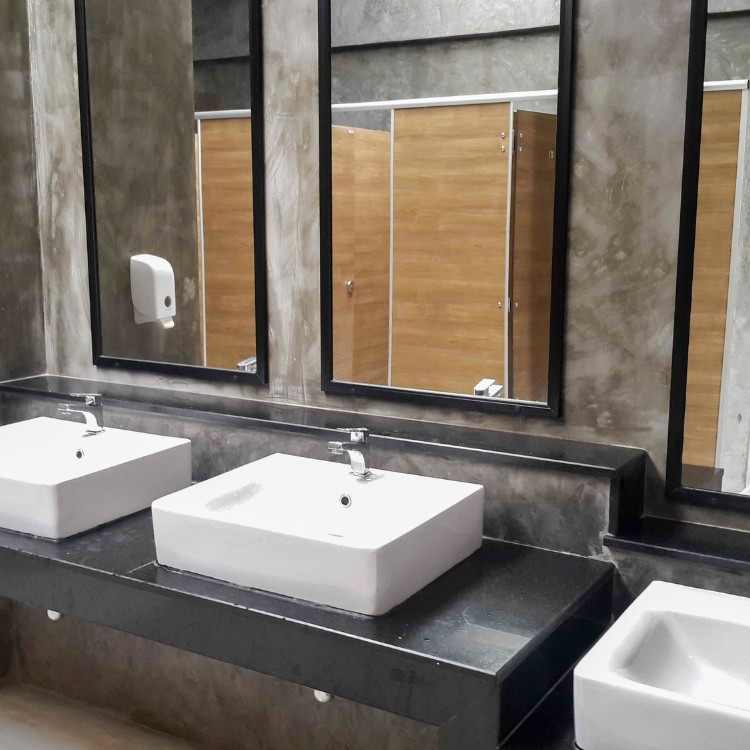
Free oven & refrigerator steam clean when new customers book weekly or every two-week services. Redeem with code #STEAMCLEAN. May not be combined with any other offer or gift card purchase.
Honoring First Responders
Offered year-round!
$15 off first cleaning service with Military ID, Police, EMS, or Firefighter badge. For teachers, too! Redeem with code #HEROES.
WE MAKE IT SIMPLE TO SCHEDULE YOUR CLEANING SERVICE
Follow these 3 simple steps to get a fully customized cleaning quote

Step 1
Get Your Free Estimate
Get a customized price in minutes by entering the details of your service request.

Step 2
SCHEDULE YOUR
CLEANING
Our cleaners are reliable, trustworthy, and punctual. You can depend on us.

Step 3
ENJOY OUR CLEANING
PROCESS
Now that your space has been cleaned from top to bottom, you can sit back, relax, and enjoy!
Our Story
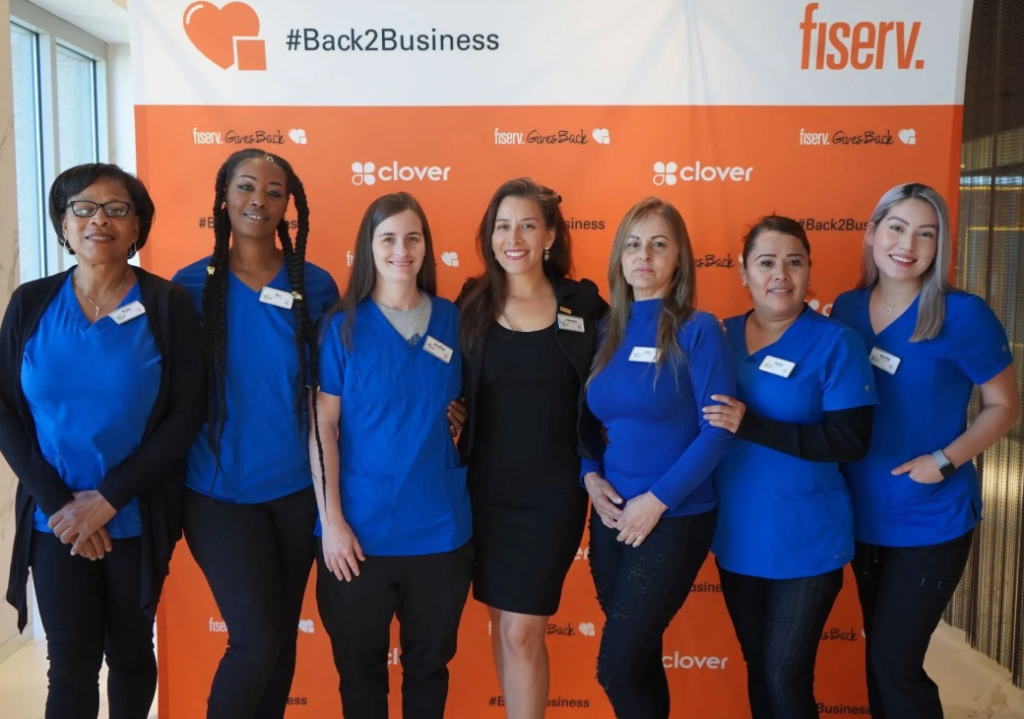
Clean Tu Casa proudly serves homes, small offices and short-term rentals in the Metro Atlanta area. We are a locally owned cleaning, organizing and personal errand service company. With 13 years of combined cleaning & business experience, we run on accountability, high-standards and good old-fashioned hard work.
Our main goal is to make you proud of our services while you enjoy time focusing on other priorities. It helps that we genuinely love and care about our work – with 100% guaranteed satisfaction! Consistent communication and quality checks are important to us.
We carefully recruit and retain the best team to uphold integrity, trust and quality. Fully licensed, insured, and bonded, you can have the peace of mind knowing all employees go through background checks, screening, and professional training with smart tools to ensure your space is sanitized & clean.
We also come with all the necessary equipment and eco-friendly products to your cleaning, so you don’t have to worry about anything!
Our main goal is to make you proud of our services while you enjoy time focusing on other priorities. It helps that we genuinely love and care about our work – with 100% guaranteed satisfaction! Consistent communication and quality checks are important to us.
We carefully recruit and retain the best team to uphold integrity, trust and quality. Fully licensed, insured, and bonded, you can have the peace of mind knowing all employees go through background checks, screening, and professional training with smart tools to ensure your space is sanitized & clean.
We also come with all the necessary equipment and eco-friendly products to your cleaning, so you don’t have to worry about anything!
Helping Cancer Patients
Serving Women, Men & Children
Battling cancer is tough enough. Please share our free cleaning services for up to 3 hours with someone you know. To apply, go to Cleaning For A Reason.
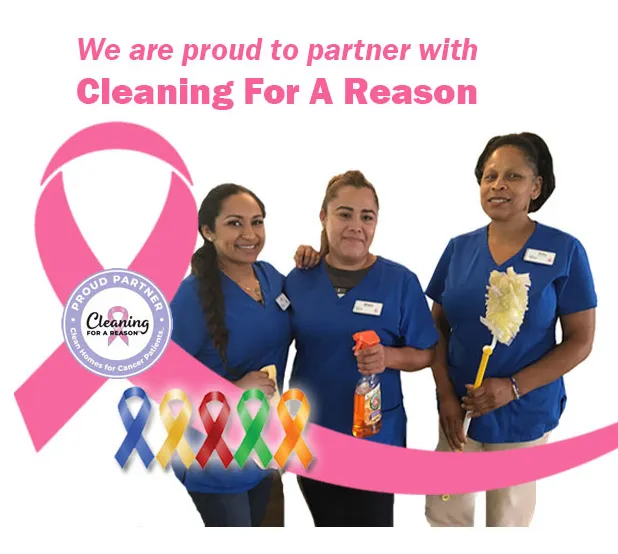
Compassion and cleanliness
We love our community! While being active participants to lead in love, we are also proud to partner with the non-profit organization, Cleaning For A Reason. Each month, we donate free professional house cleanings to women undergoing treatment for cancer.
Visit “Cleaning For A Reason” to find out more about this wonderful service or if you know someone who could use our services.
Visit “Cleaning For A Reason” to find out more about this wonderful service or if you know someone who could use our services.
Our Service Areas
Proudly Serving Metro Atlanta
Clean Tu Casa provides reliable home and office cleaning across Metro Atlanta. If you’re near any of the areas below, we’d love to help keep your space spotless.