
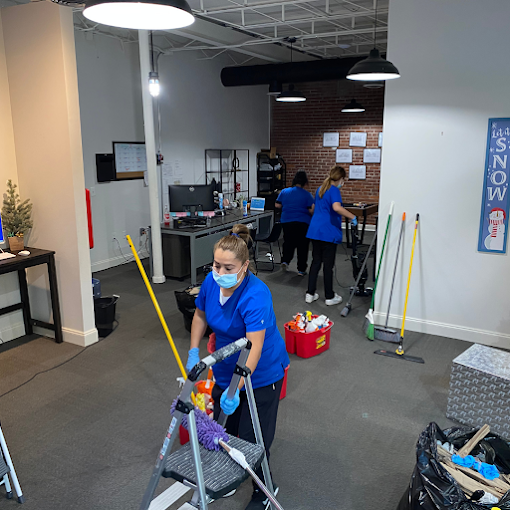
Walk into any thriving office in Plano, TX, and you will notice something before you hear ringing phones or see glowing computer screens: the space feels clean, orderly, and inviting. That is not accidental. In today’s world, where employees are more conscious than ever about health, air quality, and shared surfaces, office cleaning has moved from a “nice-to-have” to a core business strategy. Essential tips for office cleaning success are not just about dusting desks; they are about protecting your team, impressing your clients, and supporting productivity day after day.
Companies that treat cleaning as a last-minute chore often pay the price in employee sick days, low morale, and disorganized workspaces that slow everything down. On the other hand, when you approach office cleaning with a clear plan, the right tools, and consistent habits, you create an environment where people can focus instead of being distracted by clutter or grime. Clean Tu Casa, serving Plano, TX, sees this shift every day: offices that invest in smart cleaning strategies tend to experience smoother operations, better first impressions, and happier teams.
Essential office cleaning tips matter right now because expectations have changed. Employees want to know that their workspace is regularly sanitized, high-touch areas are not neglected, and common areas are truly “shared” rather than “ignored.” Clients notice the fingerprints on glass doors, the stains on carpets, and the odors in break rooms. These small details send big messages about how seriously your company takes professionalism and care. Mastering office cleaning success is about aligning your space with the standards your business claims to uphold.
Define Your Cleaning Standards
Every successful office cleaning strategy starts with knowing what “clean” actually means for your business. For some Plano offices, success might mean pristine lobbies and conference rooms that consistently impress visitors. For others, the priority might be sanitized workstations, disinfected restrooms, and dust-free equipment to support employee health. Instead of assuming everyone shares the same definition, sit down and outline specific standards: how often surfaces should be wiped, which areas need daily sanitizing, and what “presentation-ready” looks like in your space.
Once you define those standards, document them. A written cleaning checklist or guideline keeps everyone on the same page and prevents important tasks from being forgotten. For example, you might specify that restrooms are to be checked twice per day, that break room appliances get a weekly deep clean, and that reception floors are vacuumed before visitors arrive each morning. Clean Tu Casa frequently helps Plano, TX clients translate vague expectations into clear, actionable cleaning plans that can be followed consistently by staff or professional cleaners.
It is also important to set different levels of cleaning based on traffic and usage. High-traffic areas like lobbies, restrooms, and shared kitchens need more frequent attention than a rarely used storage room. Ranking spaces by priority helps you allocate time and resources where they will have the greatest impact. This tiered system keeps your office looking and feeling clean, even on busy days when not everything can be done at once.
Build A Realistic Cleaning Schedule
Even the best cleaning standards will fail without a realistic schedule. Many offices think they can “clean when it looks dirty,” but by the time you notice grime, dust, or odors, you are already behind. A structured schedule turns cleaning from a reactive scramble into a predictable rhythm. Start by mapping out daily, weekly, and monthly tasks. Daily tasks might include emptying trash, wiping high-touch surfaces, and spot vacuuming. Weekly tasks could involve cleaning windows, dusting blinds, and sanitizing keyboards. Monthly tasks might include deep-cleaning carpets, polishing floors, or washing walls.
When building your schedule, consider your office’s working hours and peak activity times. For example, Plano offices that host frequent client meetings might want cleaning done early in the morning or later in the evening, so spaces are fresh at the start of the business day. Break rooms can be checked and tidied after the lunch rush. Restrooms should have set times for inspection and quick touch-ups. Clean Tu Casa often works with businesses to time cleanings around meetings and core working hours, minimizing disruption while keeping the space in top shape.
A realistic schedule also includes flexibility. There will be days when a surprise client visit, office celebration, or internal event generates more mess than usual. Building in “buffer slots” for extra attention, or having an on-call option with a professional cleaning service, helps you handle those spikes. Even if you handle routine cleaning in-house, having a partner who can step in after a major event or seasonal rush can keep your office from slipping below your standards. A clear, posted schedule gives your team confidence that cleaning is not ad hoc, but a regular part of how the office functions.
Focus On High-Touch And High-Visibility Areas
Not all surfaces in your office are equal. Some are touched dozens or even hundreds of times a day, while others are barely used. High-touch areas—doorknobs, elevator buttons, light switches, shared keyboards, copier buttons, chair armrests, and break room handles—are prime spots for germ transfer. High-visibility areas—your reception desk, lobby seating, conference tables, and glass doors—are where clients and visitors form their first impressions. Cleaning success depends on giving both categories special attention.
For high-touch zones, the priority is frequent disinfection. Use appropriate disinfectants that are safe for the surface and effective against common bacteria and viruses. Train whoever is responsible for cleaning to let disinfectants sit for the recommended contact time instead of wiping them off immediately, which can reduce their effectiveness. In Plano’s busy office environments, shared equipment like copiers and coffee machines can quickly become hotspots, so include them in your daily routine rather than waiting until they look dirty.
High-visibility areas require both cleanliness and presentation. Fingerprints on glass doors, dust on reception furniture, or smudges on conference tables can undermine your professional image, even if the rest of the office is spotless. Make it a habit to inspect these spaces from a visitor’s perspective. Sit in the lobby chairs, stand in front of the reception desk, and look around. Are the floors clean? Are there dust bunnies in corners? Clean Tu Casa teams in Plano, TX often start their visits by walking the same path a client would, identifying any visual issues that need immediate attention.
Choose The Right Tools And Products
Office cleaning success is not just about effort; it is also about using the right tools. Old rags that spread dirt, generic cleaners that leave streaks, or harsh chemicals that irritate employees can all undermine your goals. Start by selecting microfiber cloths for most surfaces since they trap dust and bacteria more effectively than traditional cotton cloths. Invest in a quality vacuum with HEPA filtration to improve air quality and capture fine dust, especially important in carpeted offices common in Plano’s commercial buildings.
Cleaning products should match both your surfaces and your company values. If your office markets itself as environmentally conscious, but the break room smells like harsh chemicals, there is a disconnect. Many Plano businesses now look for low-odor, eco-friendly, and non-toxic cleaning products that are still powerful enough to disinfect. Discuss product options with your cleaning provider or research options that are safe for electronics, upholstery, wood, and glass. Clean Tu Casa works with clients to balance effectiveness and safety, especially in offices where employees have sensitivities or allergies.
Organization matters as much as product selection. Keep cleaning supplies in clearly labeled, accessible locations, but away from food storage and preparation areas. A small, well-stocked cleaning caddy that can be rolled or carried from room to room will save time and ensure that whoever is cleaning has what they need on hand. Stock extra trash liners, paper towels, and sanitizing wipes in strategic places so quick cleanups can happen without a hunt for supplies. The more streamlined your tools and products are, the more likely your team or your cleaning provider will maintain consistent standards.
Engage Employees In Daily Tidiness
Even with a professional cleaning service, employees play a crucial role in office cleanliness. The most successful offices in Plano, TX treat cleanliness as a shared responsibility rather than something “the cleaners will handle later.” This does not mean asking your staff to scrub toilets; it means encouraging daily habits that prevent messes from building up. Simple actions like clearing desks at the end of the day, rinsing dishes instead of leaving them in the sink, and properly disposing of trash and recycling can dramatically reduce the workload and keep the office feeling orderly between professional cleanings.
Set expectations clearly, not as nagging reminders but as part of your culture. Provide each employee with basic desk cleaning supplies, such as disinfecting wipes and a small trash bin. Establish “clean desk” guidelines, especially important in open-plan offices and shared workstations. When people know that cleaners will be wiping their desks or keyboards, they are more likely to keep personal clutter under control. Clean Tu Casa finds it much easier to deliver top-quality results in offices where employees take a few minutes daily to reset their spaces.
Recognize and reinforce positive habits. If a particular department keeps their shared area spotless, call it out in a staff meeting or internal message. Small incentives, like a monthly “tidy team” recognition, can motivate friendly competition. You can even schedule brief, quarterly “clean-up hours” where everyone spends 15–20 minutes decluttering files, organizing storage, and tossing old materials. When employees see that leadership values order and cleanliness, they are more likely to follow suit, making the entire cleaning program more effective.
Partner With Professional Cleaners Strategically
There is a big difference between surface-level tidying and a thorough, hygienic clean. Many offices in Plano, TX rely on professional cleaning companies like Clean Tu Casa to handle the deeper, more technical aspects of office cleaning. The key is to treat this relationship as a partnership rather than a simple transaction. Start by communicating your priorities, standards, and any special considerations, such as sensitive equipment rooms, confidential areas, or green product preferences. A good cleaning partner will tailor their services to fit your office’s layout, schedule, and culture.
Decide which tasks will be handled by professionals and which will stay in-house. For example, you might have your team manage daily trash and quick wipe-downs, while Clean Tu Casa handles vacuuming, restroom sanitizing, floor care, and periodic deep cleaning. Establish a consistent schedule—nightly, several times a week, or weekly—based on your office size and foot traffic. Regular professional cleaning prevents the slow buildup of dirt and grime that can otherwise go unnoticed until it becomes a bigger, more expensive problem.
Finally, create a feedback loop. Encourage staff to report areas that need extra attention, such as a heavily used conference room or an odor issue in the break room. Share that feedback with your cleaning provider so they can adjust their approach. Many cleaning companies appreciate detailed input because it helps them deliver better results. Over time, this partnership can evolve into a smooth, almost invisible system where your office consistently looks and feels clean without constant oversight.
Frequently Asked Questions
How often should a typical office in Plano, TX be professionally cleaned? The ideal frequency depends on your office size, foot traffic, and type of work. Many small to mid-sized offices benefit from professional cleaning at least two to three times per week, with daily service for high-traffic spaces like restrooms and lobbies. Larger offices or those with frequent visitors often choose nightly cleaning. Clean Tu Casa can assess your specific layout and usage patterns to recommend a schedule that keeps your space consistently clean without overspending.
What areas of the office are most commonly overlooked during cleaning? Commonly missed spots include the tops of door frames, light switches, chair bases, under desks, air vents, and the areas behind printers and copiers. Break room appliances, such as microwave handles and refrigerator doors, are also frequently neglected, even though they are touched often. A thorough cleaning plan will specifically list these locations to ensure they are included in regular routines, not just during occasional deep cleans.
How can we maintain cleanliness between professional cleanings? Encourage simple daily habits among employees, such as wiping their desks, promptly cleaning spills, and keeping shared spaces like break rooms tidy. Provide accessible supplies like disinfecting wipes, paper towels, and trash bins. Having a quick end-of-day reset routine—pushing in chairs, clearing surfaces, and emptying full trash cans—helps your office stay presentable and makes the professional cleaner’s job more efficient and effective.
Are eco-friendly cleaning products effective enough for office environments? Modern eco-friendly products are formulated to be both gentle on the environment and powerful against germs and dirt. When chosen carefully and used correctly, they can meet or exceed the performance of traditional chemicals while reducing harsh odors and potential irritants. Many Plano offices prefer this approach to support employee health and corporate sustainability goals. Clean Tu Casa can work with you to select products that match your standards for both safety and cleanliness.
Should we hire professionals for post-event cleaning at the office? Office events, celebrations, and client gatherings can generate more mess in a few hours than a normal workday does in a week. Hiring professionals for post-event cleanup saves your team time and ensures that carpets, floors, and common areas are properly restored. If your office hosts events regularly, consider using a service like Party Clean Up to handle the aftermath so your staff can get back to work in a clean, organized environment the next day.