
The moment you realize your home is quietly sliding out of control usually isn’t dramatic. It’s that Tuesday night when you’re hunting for a clean pot, the counters are dotted with crumbs, the bathrooms feel a little “off,” and you’re wondering when you last mopped the floors. You’re not dirty, just busy. Work, kids’ activities, traffic on the way back from Dallas, and suddenly cleaning becomes a patchwork of quick fixes instead of a reliable routine. That’s exactly where effective recurring cleaning plans make the difference between a home that constantly feels behind and one that stays comfortably under control.
In a city like Plano, TX, where families juggle commutes, school schedules, and full social calendars, relying on “I’ll clean when I have time” is a recipe for constant frustration. A recurring cleaning plan is more than setting a reminder to vacuum; it’s a clear, predictable system that keeps your home healthy, presentable, and low-stress week after week. When companies like Clean Tu Casa build these plans, they’re not just selling cleaning visits—they’re building a rhythm for your home that fits your actual life instead of an unrealistic ideal.
Understanding the essentials of effective recurring cleaning plans means looking beyond checklists and sprays. It’s about tailoring tasks to your home’s layout, your lifestyle, and your tolerance for clutter and dust. Done right, a recurring plan becomes a quiet support system in the background of your life, keeping your space ready for surprise guests, calmer for your family, and less overwhelming for you.
Defining A Recurring Plan
At its core, a recurring cleaning plan is a structured schedule of cleaning tasks that happen at set intervals—weekly, biweekly, or monthly—rather than whenever you “get around to it.” The key word here is structured. Instead of randomly tackling whatever looks worst, you decide in advance which spaces and tasks get attention and how often. That structure turns cleaning from a reactive scramble before company comes over into a proactive routine that quietly prevents mess from building up.
For a Plano household, this structure might look like a weekly focus on kitchens and bathrooms, biweekly dusting and vacuuming of bedrooms and living areas, and monthly deep cleaning of less-visible zones like baseboards and ceiling fans. A plan becomes effective when each of these tasks is assigned a frequency that matches how your family actually uses the space. A busy kitchen used daily needs more frequent attention than a rarely used guest room, and a good recurring plan respects that difference.
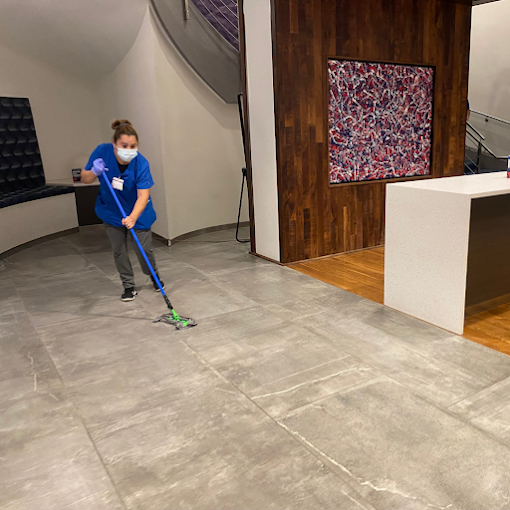
Professional services like Clean Tu Casa take this concept further by mapping out tasks per visit, so everyone knows what will be done each time. Instead of vague promises like “we’ll clean the house,” you get clear expectations: surfaces wiped, floors vacuumed and mopped, fixtures sanitized, trash emptied, and so on. That clarity is an essential piece of any recurring plan because it removes guesswork and helps you see the value of each visit.
Another defining trait of a strong recurring plan is that it’s repeatable but not rigid. The core structure stays the same—certain tasks always happen on certain visits—but there’s room to adjust for special events, seasonal needs, or changes in your household. Without that flexibility, a plan can feel like a burden instead of a support.
Matching Frequency To Real Life
One of the most common mistakes people make is choosing a cleaning frequency based on what sounds good in theory rather than what fits their reality. A weekly cleaning might sound ideal, but if you travel constantly or live alone, that might be more than you need. On the other hand, a busy family in Plano with kids, pets, and frequent visitors may find that monthly cleanings never quite get them ahead of the mess. Effective recurring cleaning plans start with an honest look at how you live day to day.
Think about your high-traffic areas: the kitchen where breakfast, homework, and late-night snacks all happen; the main bathroom everyone uses; the entryway where shoes, backpacks, and deliveries pile up. These zones usually need weekly attention to stay sanitary and visually calm. Then there are moderate-traffic areas like bedrooms and home offices, which might be fine with biweekly cleaning if clutter is kept under control between visits.
Pets and allergies are major frequency drivers. Dogs that shed, cats that scatter litter, or family members sensitive to dust mean vacuuming, mopping, and dusting need to be more frequent to maintain air quality and comfort. In Plano, where seasonal allergies are common, recurring plans that include consistent dusting and filter-conscious vacuuming can make a noticeable difference in how your home feels.
Clean Tu Casa often helps clients choose between weekly, biweekly, and monthly schedules based on these factors. A typical pattern might be weekly service for families with kids and pets, biweekly for couples or small households who keep up with light tidying, and monthly for those who want a maintenance deep clean to supplement their own day-to-day efforts. The essential point is this: the right frequency is the one that keeps your home from ever tipping into “overwhelming” while still respecting your budget and lifestyle.
Prioritizing Spaces And Tasks
Not every room deserves equal attention in a recurring cleaning plan. An effective plan ranks spaces based on impact: hygiene, daily use, and visual presence. Kitchens and bathrooms sit at the top because they directly affect health and comfort. Living rooms and entryways follow close behind because they’re the most visible and the first spaces you and your guests see. Bedrooms, offices, and secondary spaces come next, with storage areas and rarely used rooms at the bottom of the regular rotation.
Within each space, tasks should be prioritized as well. In a kitchen, sanitizing counters, sinks, and appliance handles will matter more weekly than wiping the tops of cabinets or cleaning behind the fridge. In bathrooms, toilets, sinks, and shower surfaces are essential every visit, while organizing under-sink cabinets can be rotated into a monthly or quarterly deep clean. This layered approach keeps your recurring plan focused on what truly affects daily life.
Services like Clean Tu Casa use checklists that reflect this prioritization, but the best plans are customized. For example, if your Plano home has an open-concept layout, your main living area might accumulate more dust and footprints than a more traditional floor plan. In that case, your recurring plan might emphasize floors and surfaces in that shared space more heavily than in closed-off rooms.
Another key element is deciding which tasks stay with the professionals and which you’ll handle between visits. Many homeowners prefer to maintain light tidying—like putting away toys, mail, or clothes—so that recurring cleanings can focus on detailed work: scrubbing, sanitizing, and deep dusting. When everyone knows their role, the plan becomes more efficient and you get more value out of each visit.
Building Consistency And Routine
A recurring cleaning plan only works if it actually recurs. Consistency is what transforms a clean house from a rare event into your everyday normal. One essential strategy is anchoring cleaning visits to a specific day and time. For example, scheduling Clean Tu Casa for every other Thursday morning gives you a predictable rhythm: you know when to do a quick pre-visit tidy, and you can plan social events or family gatherings around the comfort of a freshly cleaned space.
Between professional visits, simple micro-routines help maintain the results. These don’t have to be elaborate. A five-minute nightly kitchen reset, a quick bathroom wipe-down every few days, or a rule that shoes stay by the door can drastically reduce how much work is needed each time cleaners arrive. The recurring plan works best when it’s supported by these light daily habits, not expected to fix two weeks of chaos all at once.
Consistency also relies on clear communication with your cleaning team. If you’re working with a Plano-based company like Clean Tu Casa, letting them know about schedule changes, special events, or specific concerns keeps the routine stable. For example, if you’re hosting a party, you might shift a cleaning visit closer to that date or request extra attention in certain areas. The plan stays consistent, but the details flex around your calendar.
Over time, a good recurring plan actually reduces the total effort needed to keep your home in shape. When dust, grime, and clutter never get a chance to build up, each visit becomes more about maintaining than rescuing. That’s when you start to feel the real payoff: your house doesn’t swing between “disaster” and “sparkling”; it just stays reliably comfortable.
Customization For Plano Households
Homes in Plano, TX, aren’t all alike—there are townhomes near shopping centers, larger family homes in established neighborhoods, and everything in between. An effective recurring cleaning plan respects these differences instead of applying a one-size-fits-all checklist. Square footage, flooring type, number of bathrooms, and whether you have stairs all influence how long a cleaning takes and which tasks matter most.
Climate and local lifestyle play a role too. Plano’s weather means dust and pollen can quickly accumulate, especially during peak allergy seasons. Entryways may collect more outdoor debris, and windowsills and blinds can trap fine dust that affects air quality. A smart recurring plan for this area builds in regular dusting of surfaces, vents, and blinds, as well as frequent floor care to handle tracked-in grit.
Family structure is another major factor. A young family with toddlers might prioritize disinfecting high-touch surfaces, sanitizing play areas, and keeping floors crumb-free. Empty nesters may care more about keeping entertaining spaces ready for guests and maintaining a polished look in living and dining rooms. Remote workers in Plano often need their home offices included in the regular rotation to keep workspaces orderly and focused.
Companies like Clean Tu Casa can adjust their standard plans to reflect these realities. Maybe your recurring service includes more frequent kitchen and dining room attention because you cook at home most nights, or extra time in bathrooms because multiple people share them. The essential principle is that customization isn’t a luxury—it’s what makes the plan actually effective for your specific household.
Integrating Deep Cleaning And Organization
Even the best recurring cleaning plan needs support from periodic deep cleaning and organization. Regular visits handle the visible and frequently used surfaces, but some tasks simply don’t belong on a weekly or biweekly schedule. Cleaning inside ovens, scrubbing grout lines, washing baseboards, or addressing built-up soap scum and mineral deposits are better handled as quarterly or seasonal deep-clean add-ons.
Organization is another crucial layer. It’s difficult to clean effectively when every surface is covered in belongings. A well-designed recurring plan works best in tandem with occasional decluttering and organizing sessions. When closets, cabinets, and countertops are reasonably streamlined, cleaners can focus on actual cleaning instead of moving piles from one spot to another. For those looking to extend this approach, services like Closet Organization can be a helpful complement to recurring cleaning.
Think of it like this: recurring cleaning keeps the visible parts of your home consistently pleasant; deep cleaning and organizing address the underlying systems that support that consistency. Without those deeper resets, recurring visits eventually spend more time battling built-up grime and clutter instead of maintaining a high standard.
In Plano, where many homes have open layouts and multi-use rooms, integrated organization and deep cleaning can dramatically change how a space feels. A living room that doubles as a playroom, office, and TV area, for example, benefits from a recurring plan that keeps floors, surfaces, and dust under control, plus periodic organizing to ensure each “zone” still functions well. When these elements work together, your home becomes easier to maintain and more enjoyable to live in.
Frequently Asked Questions
How often should I schedule recurring cleaning for my home? The right frequency depends on your household size, lifestyle, and expectations. Many Plano families with kids or pets choose weekly or biweekly cleanings to stay ahead of mess and allergens. Smaller households or those who do regular light cleaning themselves might find that biweekly or monthly service is enough. If you’re unsure, starting with biweekly and adjusting after a month or two based on how your home feels between visits is a practical approach.
What should be included in an effective recurring cleaning plan? A strong plan should always cover high-impact areas: kitchen counters and sinks, appliance exteriors, bathroom fixtures, toilets, showers or tubs, floors throughout the home, dusting of accessible surfaces, trash removal, and general straightening. From there, it can be customized with extras like making beds, cleaning interior glass doors, or focusing on specific rooms. The essentials are tasks that affect hygiene, comfort, and daily use, with clear expectations of what happens each visit.
How do I prepare my home for a recurring cleaning visit? You don’t need to pre-clean, but light tidying makes a big difference. Putting away toys, clothes, and loose items from counters and floors allows cleaners to reach more surfaces and spend their time on detailed work like scrubbing, sanitizing, and thorough dusting. Many clients in Plano do a quick 10–15 minute walkthrough before Clean Tu Casa arrives, focusing on clearing surfaces and picking up clutter. Over time, this becomes a simple habit that maximizes the value of each visit.
Can I change my cleaning plan as my needs change? Yes, flexibility is an essential part of an effective recurring plan. As your life shifts—kids start school, you start working from home, you adopt a pet, or your schedule changes—your cleaning needs will shift too. You can adjust frequency, add or remove rooms from the rotation, or request extra attention in certain areas. Communicating these changes with your cleaning service ensures the plan continues to match your real life instead of an outdated version of it.
Why choose a local service like Clean Tu Casa in Plano, TX? A local company understands the specific challenges of homes in your area—like Plano’s dust, pollen, and common floor types—and can schedule and staff accordingly. Clean Tu Casa is familiar with neighborhood layouts, typical family routines, and the expectations of Plano residents, which makes it easier to create realistic, effective recurring cleaning plans. Working with a local team also means more responsive communication, consistent cleaners, and a relationship built over time, all of which help keep your plan running smoothly.