Sparkling Office Cleaning for Focused, Healthy Workdays
A Plano small business owner recently told us they were “pretty clean” most days—until a busy week hit. Between client walk-ins, shared phones, the breakroom getting used constantly, and a few employees working from home (then coming back with backpacks and laptops), the office started to feel… off. Not dirty in a dramatic way—just slightly grimy: smudges on high-touch surfaces, dust around vents, and that lingering “breakroom” smell.
The result wasn’t just visual. Staff began complaining about headaches, dry eyes, and getting sick more often. That’s when they asked for help with professional office cleaning services that could keep the workplace looking sharp and support healthier day-to-day operations.
If your team relies on the office to stay productive, office cleanliness isn’t a luxury—it’s part of how you protect focus, morale, and customer impressions.
Quick Answer
For a focused, healthy workday, you’ll want office cleaning that targets high-touch areas (desks, phones, door handles, keyboards), restroom sanitation, breakroom hygiene, and hidden dust (vents, baseboards, under furniture). Many businesses benefit from a recurring schedule with periodic deep cleaning to prevent buildup that routine visits can’t remove.
What We Commonly See During Deep Cleaning Visits
When we arrive for a deeper clean (or when a company has gone too long between thorough cleans), we often find the same problem pattern:
- Dust buildup in “invisible” zones: tops of shelves, behind printer stations, the edges of laminate desks, and along baseboards.
- Breakroom residue: not always obvious, but sticky film around microwaves, coffee stations, and cabinet handles.
- Restroom details: missed grout spots, mineral buildup on fixtures, and dispenser areas that don’t get attention during quick wipes.
- Keyboard and phone grime: especially in offices where devices are shared or rotated between staff.
- Trash management overflow: bins that are emptied, but not wiped down consistently.
One firsthand service observation: the difference between “looks clean” and “feels clean” is usually the high-touch cleaning process plus attention to surrounding surfaces—the area your hands naturally travel to (edge of desk, armrests, chair backs, light switches, and the area around shared equipment).
What People Often Overlook
Busy offices tend to focus on floors and surfaces you can see quickly. But the health and comfort problems usually come from what’s touched, resettled, and recirculated.
Here are the most common oversights we see:
1) Cleaning the floor without addressing the dust source
Vacuuming helps—but if dust is trapped in corners, vent grilles, and along edges, it reappears quickly.
2) Wiping desks without cleaning the “shared path”
Employees don’t just touch their own workspace. They touch:
- door handles on the way in and out
- shared printers/scanners
- conference room controls
- fridge and microwave handles
- restroom latches
3) Treating the breakroom as “lightly used”
Even if it’s busy only part of the day, breakrooms become hygiene hot spots because spills and residue accumulate.
4) Skipping periodic deep cleaning
Recurring visits keep things controlled, but they can’t fully replace a deeper clean that reaches buildup in corners, vents, and behind equipment.
5) Using the wrong approach for sensitive surfaces
Over-scrubbing or using harsh cleaners on certain finishes can leave streaks or dull surfaces—making the office look worse even after cleaning.
Mistakes That Make Cleaning Harder
If cleaning feels like an endless task, it’s often due to these avoidable issues:
- Letting clutter “own” the desk: papers, boxes, and cords block access for thorough wipe-downs.
- Cleaning around equipment instead of cleaning with it: printers, coffee makers, and phone stands collect residue in ways that require close attention.
- No one owns the cleaning handoff: offices often assume cleaning will happen “automatically,” but need a simple routine for what’s cleared and what’s accessible.
- Not scheduling based on your office traffic: offices with heavy morning arrivals or client-heavy afternoons need timing that matches how spaces are used.
- Waiting until odors or visible grime appear: by then, residue has built up and takes longer to remove.
Cleaning Checklist: What a Strong Office Plan Should Cover
Below is a practical checklist you can use when planning office cleaning. A professional team should be able to align their process to these categories.
Daily / Frequent Focus (especially for shared offices)
- High-touch surfaces: door handles, light switches, push bars, railings
- Workstation touch points: desk edges, chair arms, keyboard/mouse surfaces (where safe)
- Phones and shared devices: wipe and sanitize surfaces without damaging electronics
- Restrooms: sinks, counters, toilets, touch points, restocking supplies
- Breakroom hygiene: counters, microwave exterior, fridge handles, sink area
- Trash: empty bins and replace liners; wipe bins if needed
Weekly / Rotating Focus
- Conference rooms: tables, chairs, remote controls, whiteboards/ledges
- Floors: vacuum/wash based on flooring type and traffic level
- Spot detail cleaning: fingerprints on glass, smudges on entry areas
- Baseboards and edges: dust lines and debris along wall bottoms
Monthly / Periodic Deep Cleaning
- Inside/outside detail on vents and grilles
- Behind/under equipment where feasible
- Whole-room deep cleaning for stubborn residue and accumulated dust
- Optional specialty needs if your office has unique environments
If your office needs a deeper refresh, you may also want to review options like deep cleaning services to complement recurring care.
Scheduling and Maintenance Recommendations (So Your Office Stays “Right”)
A common question we hear is: “How often should we clean?” The best schedule depends on traffic, team size, and how often clients visit.
Here’s a practical starting point many offices use successfully:
- Recurring visits (weekly or bi-weekly): keep high-touch areas controlled
- Monthly or quarterly deep clean: reset buildup in corners, vents, and behind equipment
Preparation recommendation for your team
Before a cleaning visit, do a quick “access check”:
- clear loose items from desk edges (especially in shared areas)
- keep cords and equipment in place—just make sure surfaces around them are reachable
- empty or label any special storage areas you want handled a specific way
This reduces time spent moving items and improves the quality of the clean.
If your office is going through a move or major transition, cleaning requirements change—sometimes significantly. You can explore move cleaning and coordinate a timeline that protects your staff’s productivity.
Office Cleaning vs. Janitorial: Choosing the Right Fit
Some businesses need basic tidiness. Others need ongoing sanitation, especially when multiple teams rotate in and out.
Here’s a simple way to decide what you need:
| Need | Best Match | Why |
|---|---|---|
| Routine cleaning to keep desks, restrooms, and breakroom maintained | Recurring janitorial cleaning | Consistency reduces buildup and odors |
| Heavier traffic, multiple rooms, or more frequent shared-space use | Corporate office style service | Higher touch points = more frequent attention |
| A one-time reset or after a renovation | Deep cleaning solutions | Targets accumulated dust and residue |
If you’re managing a larger environment and want professional workplace support, our team can align with your operational needs through office cleaning services.
Plano / North Texas Relevance: What’s Different Locally
North Texas offices often experience a specific cycle: dust and pollen move through the region seasonally, then settle into vents, along baseboards, and on high surfaces. In many Plano workplaces, that means “clean-looking” spaces can still feel dry or irritating—especially after long stretches without a deeper reset.
We also see that suburban office layouts (open desks, shared printer zones, and breakrooms near traffic pathways) create predictable high-touch patterns. The best results come from focusing cleaning time where hands and airflow repeatedly meet.
That’s why we build plans around your floor plan and usage, not just a checklist that assumes every office is identical.
Our Experience Helping Busy Households (and Office Teams)
While office cleaning is different from home cleaning, the underlying challenge is the same: people don’t have time to manage every detail.
In our work, we’ve learned that the easiest way to keep a workplace consistently clean is to reduce decision fatigue:
- a clear schedule
- a consistent process for high-touch areas
- a predictable plan for floors, restrooms, and breakrooms
- simple preparation guidance for your team
This approach is similar to what helps homeowners maintain a cleaner home with home cleaning services—recurring support prevents buildup and keeps cleaning manageable rather than overwhelming.
An anonymized example from recent service work
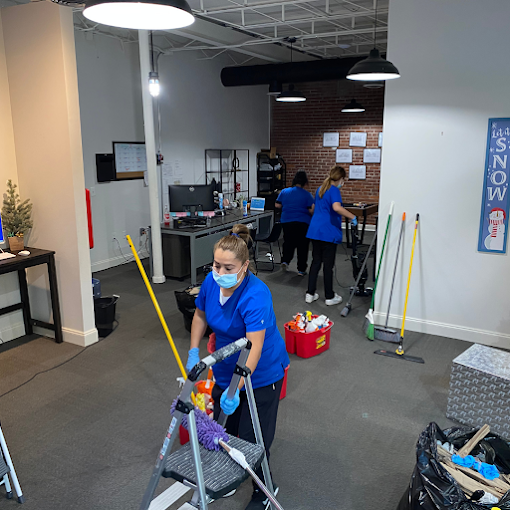
A small office in Plano had staff rotating between desks and hosting weekly client meetings. They started with a recurring schedule focused on:
- sanitizing high-touch zones daily/weekly (depending on traffic)
- breakroom wipe-down and residue control
- consistent restroom sanitation and restocking
After two months, they reported fewer “why does it feel dirty?” moments and less time spent wiping down surfaces before guests arrived. The office didn’t just look better—it functioned more smoothly.
Signs It’s Time for Deep Cleaning
If any of these are happening, it’s usually time to add deep cleaning to your plan:
- dust “reappears” quickly after routine visits
- breakroom odors linger even after trash is removed
- restrooms feel clean but surfaces still look dull or stained
- conference room surfaces show persistent smudging
- staff report more allergies or irritation during peak pollen seasons
- you’ve had renovations, new furniture, or a change in layout
If you’re preparing for a larger transition, you may also want to coordinate specialty cleaning. For example, post-construction spaces often require targeted attention—see post-construction cleanup help for that kind of reset.
Move-Out and Move-In Note for Offices
Office moves are stressful, and cleaning timelines can creep up fast. If your business is relocating, you’ll want a plan that covers:
- removing dust and residue from the transition period
- sanitizing shared surfaces
- addressing areas landlords or property managers commonly inspect
This is where move-related cleaning support helps. Depending on your situation, it may overlap with move cleaning or other deep reset needs.
Quick Steps Checklist for Before Your First Office Cleaning Visit
Use this short list to make your first appointment smooth:
1. Walk the office once and point out high-touch areas (door handles, breakroom, reception desk).
2. Identify shared equipment (phones, printers, scanners).
3. Clear desk edges in common areas so surfaces are accessible.
4. Confirm restroom supply needs (paper, soap, etc.) if your office expects restocking.
5. Share any special surface concerns (glass, specific flooring, delicate finishes).
6. Agree on timing (after-hours vs. daytime) based on your workflow.
FAQ
How often should we schedule office cleaning?
Most offices start with weekly or bi-weekly recurring cleaning to control high-touch areas like restrooms, breakrooms, and entry points. Then, add monthly or quarterly deep cleaning depending on traffic and seasonality. If your office has heavier client visits or frequent employee rotations, you may need more frequent attention to shared surfaces.
What’s included in professional office cleaning services?
A strong plan typically includes sanitizing high-touch surfaces, dusting where appropriate, cleaning restrooms, addressing breakroom hygiene, emptying trash, and handling floors based on your flooring type. Many services also include rotating detail work (like edges and baseboards) and periodic deep cleaning for accumulated dust.
Can you clean an office after renovations or construction work?
Yes—post-construction environments often require additional attention due to dust residue and debris. The approach usually differs from standard office cleaning, focusing on detailed cleanup and reset of surfaces.
Do recurring cleaning services really reduce overall buildup?
In most offices, yes. When cleaning happens consistently, dust and residue don’t get time to accumulate and harden. That typically makes future cleanings faster and helps maintain a fresher-looking, healthier environment.
Ready to Simplify Cleaning for Focused, Healthy Workdays?
If you want your office to stay guest-ready, staff comfortable, and high-touch areas consistently sanitized, proactive scheduling is the difference between “we clean sometimes” and “the office stays right.”
About Clean Tu Casa
Clean Tu Casa provides residential and commercial cleaning, organization support, janitorial services, and move-related cleaning throughout Plano, TX and surrounding North Texas communities. We focus on reliable scheduling, detailed cleaning practices, and practical guidance that helps busy teams maintain cleaner, healthier spaces—without adding more work to your day.