
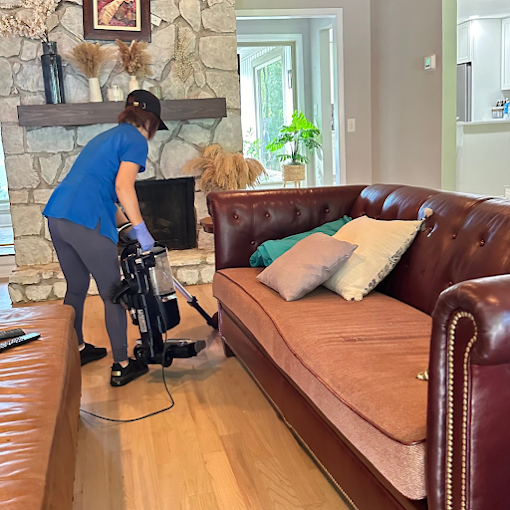
Transform Your Home with Pro Deep Cleaning Services
A few weeks before a family gathers for the holidays, one Plano homeowner called Clean Tu Casa because “the house looks clean, but it doesn’t feel clean.” The kitchen counters wiped easily, the floors were vacuumed, and the bathrooms were sprayed—yet the home still had that stale, layered feeling: dust on window tracks, grime around faucet bases, and a faint buildup in vents and high-traffic entry areas.
That’s a common moment for homeowners. Surface cleaning keeps things presentable, but deep cleaning is what resets the home—especially in busy households where the mess doesn’t always announce itself. If you’re searching for home cleaning services that go beyond weekly tasks, professional deep cleaning services can make your whole house feel “new again.”
Quick Answer
Professional deep cleaning focuses on the areas normal cleaning misses—built-up dust, hidden grime, and detail work like baseboards, inside cabinets, vents, window tracks, and bathroom/tile buildup. For many homes, scheduling a one-time deep clean before a big event, before moving, or seasonally (often in spring) helps prevent buildup from becoming harder and more expensive to remove later.
What Deep Cleaning Actually Changes in a Home
During a deep cleaning visit, we often notice something homeowners can’t see until someone else looks closely: grime has a pattern. In many North Texas homes, that pattern is influenced by daily airflow, open windows, and Texas dust/pollen that settles on horizontal surfaces and then slowly migrates into corners, vents, and grout lines.
Here’s what we typically see during our deep cleaning services work:
- Dust accumulation in “invisible” places: window tracks, ceiling fan housings, behind and under frequently used appliances, and the top edge of baseboards.
- Bathroom buildup that doesn’t come off with spray: soap scum and mineral deposits around faucet bases, shower/tub edges, and grout.
- Kitchen grease residue around heat zones: not just on the range hood/exterior surfaces, but around the backsplash edge, cabinet face seams, and areas near the stove that get wiped “around,” not fully cleaned.
- Laundry and entry residue: dryer lint around the exterior edges, dust tracked in near doormats, and grime on stair rails or door handles.
- Odor sources from neglecting detail cleaning: trash can areas, under-sink cabinets, and air return regions.
A firsthand service observation we hear often: “I didn’t realize that’s where the dirt was.” Deep cleaning is less about making everything shiny and more about removing the buildup that quietly collects over time.
If you want a deeper look at what’s included, you can review deep cleaning solutions and how our team structures detail work for real homes.
Signs It’s Time for Deep Cleaning
Deep cleaning isn’t only for “when it’s really bad.” It’s also for timing—when your home starts showing early signs that buildup is outpacing your current routine.
Common signs include:
- You notice dust returning quickly after you wipe or vacuum
- Bathroom grout looks darker even after regular scrubbing
- Kitchen surfaces look clean but there’s sticky residue around handles or seams
- Allergies feel worse in certain rooms (often bedroom airflow and vents)
- You’re preparing for guests, photos, or an upcoming inspection
- You’re planning a move-out or move-in and want to start fresh
If you’re moving, deep cleaning becomes even more practical—because turnover demands detail, consistency, and time.
For move-related needs, explore move cleaning services or move-out preparation services depending on your situation.
What People Often Overlook (and Why It Matters)
Most homeowners don’t skip cleaning on purpose—they miss the areas that don’t show immediate results. Over time, those small gaps become the places where dust, grime, and odors accumulate.
1) Skipping “detail reset” work
Baseboards, door frames, and window tracks are rarely handled during standard cleaning. But they’re constantly exposed to airflow and everyday contact.
2) Cleaning the top, not the edges
We frequently find that dust is wiped from flat surfaces while the edges—under cabinet lips, around appliance bases, and behind hardware—stay coated.
3) Waiting too long for tile and grout
When soap scum or mineral buildup settles into grout, it needs more than a quick spray. The longer it sits, the more time and technique it requires.
4) Forgetting what’s behind the routine
A “clean house” routine often repeats the same steps. Deep cleaning breaks that cycle with a full-system approach—so the home doesn’t just look better for a day, it stays better longer.
Common Mistakes That Make Cleaning Harder
People often make a few choices that unintentionally create more work for everyone later. These aren’t “wrong” decisions—just common patterns we’ve seen across busy households.
Mistake 1: Cleaning only what’s visible
Visible dust and clutter disappear quickly. Hidden buildup (grout edges, vents, baseboards) remains and continues to break down surfaces over time.
Mistake 2: Using the wrong cleaner for the surface
Some homeowners use strong degreasers on areas where they shouldn’t, or combine chemicals. That can damage finishes or leave residue that attracts more dirt.
Mistake 3: Overloading one cleaning day
If you try to “deep clean everything” yourself while also dealing with kids, work, and errands, you’ll likely miss key zones—then the job feels never-ending.
Mistake 4: Waiting until move-out week
Move-out cleaning has a timeline. If the home needs whole-house deep cleaning, waiting too long can make it stressful and compress the time available for detail work.
If you’re in a move timeline, it helps to plan early. For additional guidance, you can also reference our move cleaning approach and cleaning checklists to understand what’s typically required.
What Homeowners Should Know (Before Booking Deep Cleaning)
Deep cleaning is a process, not a one-size-fits-all checklist. Homes vary by layout, household size, pet activity, and how much buildup has accumulated over time.
To keep expectations realistic and results consistent, here’s what to prepare for:
- Access to key areas: appliances, bathroom cabinets, and corners behind frequently used items
- Light clutter management: not to “tidy” the home, but to ensure cleaners can reach the surfaces that need attention
- Surface awareness: if you have delicate finishes, let us know—so we use appropriate methods and avoid damage
- Time planning: deep cleaning is detailed work, so it takes longer than standard cleaning
A practical scheduling recommendation for North Texas homes
In Plano and across North Texas, many homeowners schedule deep cleaning around seasonal shifts—especially spring—because dust/pollen cycles and HVAC usage change. If you have allergies, consider timing deep cleaning before you crank the HVAC harder or after a winter season of closed windows.
If you’re looking for a structured approach that supports ongoing cleanliness, recurring support can be a smart follow-up to a deep reset. For that, check whole house deep cleaning service options and how deep cleaning can tie into maintenance.
Cleaning Checklist (Use This to Prepare)
Use this quick checklist to get your home ready and make the deep clean more effective.
Before your deep cleaning appointment
- Clear pathways to bathrooms, kitchen, and entryways
- Move small items off countertops, table surfaces, and cabinet fronts (we’ll handle the cleaning)
- Identify any problem areas (grout stains, grease spots, dusty vents)
- If pet hair is an issue, mention it—so we can plan extra attention to key zones
- Ensure access to trash/recycling areas and under-sink zones
During the clean (what you can expect us to cover)
- High-touch surfaces and detail areas (door handles, switches, trim)
- Bathroom resets (tub/shower edges, faucet bases, tile/grout focus areas)
- Kitchen detail work (backsplash edges, appliance bases, cabinet face seams)
- Floors and baseboards (including edges where dirt collects)
- Window tracks and other “often missed” zones when included
If you want a printable-style guide, visit cleaning checklists for home planning.
An Example of How Deep Cleaning Helps (Anonymized Client Scenario)
A North Texas family with two kids and a dog had been doing quick cleans between busy weeks—clean the kitchen, reset the bathrooms, vacuum when it “looks bad.” When they booked a one-time deep cleaning, the biggest visible difference wasn’t just shine. It was how quickly the house stayed fresher afterward.
After the deep reset:
- bathroom grout and tub edges stayed brighter longer
- kitchen surfaces felt less slick near handles and stove areas
- dust seemed to return more slowly in bedrooms
The change was subtle at first, then noticeable over the next few weeks. That’s why many homeowners treat deep cleaning as the foundation—then use recurring home cleaning service support to keep buildup from returning.
Plano and North Texas Relevance: Why Buildup Looks Different Here
Plano homes often sit in a lifestyle where windows open seasonally, HVAC runs more during temperature swings, and dust/pollen cycles are real. Even if your home looks tidy, fine dust settles into window tracks, along baseboards, and into the nooks around vents and registers.
We also see how family schedules affect cleaning patterns. During the school year, weekends fill up fast—so cleaning becomes reactive (“wipe what’s visible”) rather than proactive (“reset detail areas before buildup spreads”).
A deep cleaning appointment gives you that proactive reset, and it pairs well with recurring maintenance to keep your home from slipping back into the same cycle.
Move-Out and Move-In Deep Cleaning: What Changes
If you’re handling a move, deep cleaning becomes more than comfort—it becomes timing and accountability. Move-out cleaning services frequently include detail work that landlords, property managers, and new occupants expect.
Common scenarios we help with:
- Apartment move out cleaning where the home needs to look prepared, not just “lived-in”
- Real estate move in cleaning service when you want a fresh start before unpacking
- End of lease cleaning company expectations around bathrooms, kitchens, and floor edges
If you’re preparing to move, explore move out cleaning services and whole house deep cleaning service so you can plan your schedule with confidence.
Comparison: One-Time Deep Clean vs. Recurring Support
| Need | Best Fit | Why |
|---|---|---|
| You want a fresh reset before guests, photos, or a big event | One time deep cleaning service | Removes buildup you’ve accumulated over months |
| You want fewer surprises and less time spent cleaning | Recurring home cleaning service | Prevents buildup from reaching deep-clean levels |
| You’re moving and must meet a deadline | Move out / move in cleaning services | Handles detail zones within a structured plan |
| You’re dealing with heavy dust/pollen cycles | Seasonal deep cleaning | Resets high-return zones like vents and window tracks |
If you’re unsure which option fits, it’s usually helpful to start with a deep reset and then transition into recurring support based on your household pace.
Office Deep Cleaning (When Workspaces Need a Reset)
Residential deep cleaning isn’t the only time details matter. Offices and small businesses also benefit from professional deep cleaning when hygiene and presentation affect productivity.
If you manage a workplace, you may also want to review office cleaning services or janitorial cleaning for ongoing support. In many commercial spaces, kitchens and break rooms become hygiene hot spots quickly—especially around sinks, counters, and high-touch areas.
For a deeper reset, we often recommend a targeted plan before busy seasons so staff isn’t working in a space that feels “off.”
Ready to Simplify Cleaning or Organization?
If your home is overdue for a reset—or you’re heading into a move, seasonal change, or a busy hosting season—pro deep cleaning can make a measurable difference without pulling you away from your day-to-day.
About Clean Tu Casa
Clean Tu Casa provides residential and commercial cleaning, organization, janitorial, and move-related cleaning services throughout Plano, TX and surrounding North Texas communities. We focus on reliable service, detailed cleaning practices, and helping homeowners and businesses maintain cleaner, more organized spaces with practical recurring support.
FAQ
How often should homes be professionally deep cleaned?
Many homeowners schedule a deep clean once or twice a year, plus an additional reset before major events or seasonal changes. Families with pets, allergy concerns, or high-traffic routines may benefit from more frequent deep attention to specific zones. A professional can also assess how quickly buildup accumulates in your home and recommend a realistic cadence.
How long does a whole-house deep cleaning take?
Time depends on home size, condition, and how many detail zones are included. A whole-house deep clean typically takes longer than standard maintenance cleaning because it includes edges, baseboards, bathrooms, kitchen detail work, and other areas that are easy to miss. We can provide a more accurate estimate after reviewing your home and priorities.
What’s the difference between deep cleaning and recurring cleaning?
Recurring cleaning is designed to maintain cleanliness and prevent buildup—think regular kitchen/bath resets, floors, and high-touch areas. Deep cleaning goes further into detail work and built-up grime removal, such as grout focus areas, window tracks, and thorough appliance-area cleaning. Many homes do best with a deep reset followed by recurring maintenance.
What areas are most commonly overlooked during regular cleaning?
Homeowners often miss window tracks, baseboards, behind/around appliances, bathroom faucet bases, grout lines, and cabinet seams. These areas collect dust and residue over time, which is why homes can look clean yet still feel “not quite right.”
Are deep cleaning services worth it for allergies?
They can be, especially when dust and buildup accumulate in vents, window tracks, and high-touch zones. Deep cleaning reduces the layers of dust that regular cleaning may not fully address. If allergies are a major concern, scheduling deep cleaning before seasonal HVAC changes can be especially helpful.